
What Is an REO Foreclosure and How Does It Work?

An REO foreclosure is what happens after a home fails to sell at auction. Here is the Massachusetts sequence, and where an owner still has options.
How Much Is the Cost of Home Inspection in Massachusetts?

The cost of home inspection in Massachusetts usually runs $400 to $700. Here is what drives the price, what it covers, and what it leaves out.
How Much Does It Cost to Build a House in Boston, MA? A Complete Guide
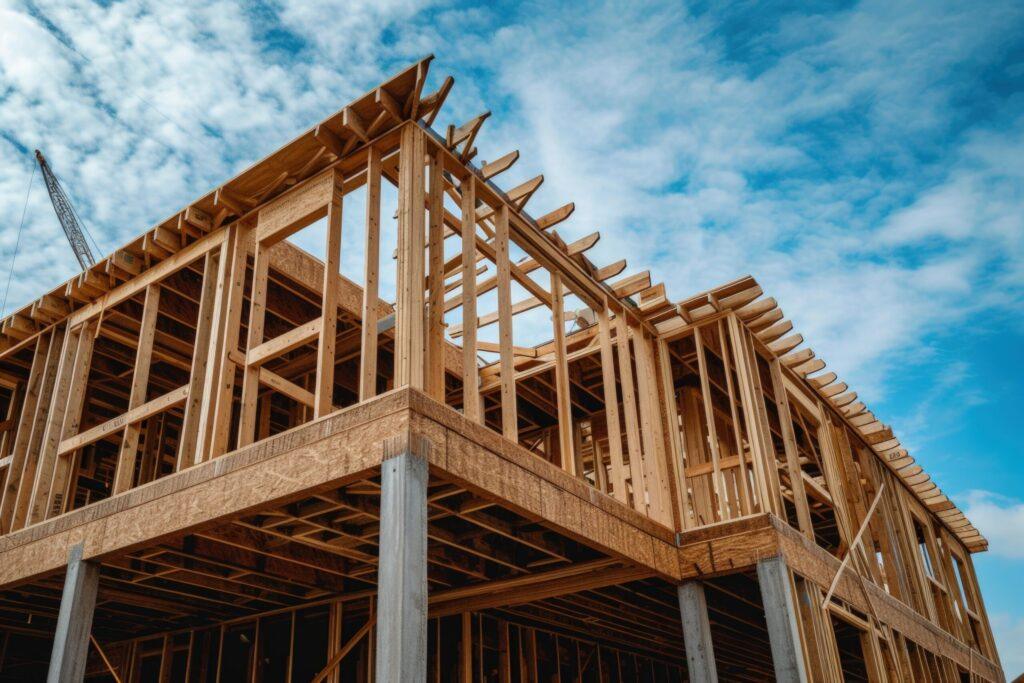
If you are wondering how much it costs to build a house in Boston, MA, you are asking one of the most important questions in real estate today. Boston is one of the most competitive and expensive housing markets in the country, and building a home here comes with unique challenges that directly impact the overall cost. From land prices to labor and permits, every step of the process plays a role in determining your final budget. In general, the cost to build a house in Boston is higher than the national average. Most new construction projects fall somewhere between $300 and $600 per square foot, with higher-end custom homes exceeding that range. This means that even a modest-sized home can require a substantial financial investment before the project is complete. Average Cost to Build a House in Boston When people search how much does it cost to build a house, they are usually looking for a simple number. In reality, the cost varies based on the size and style of the home. A smaller home with basic finishes may sit closer to the lower end of the range, while a fully custom home with high-end finishes can quickly move toward the upper end or beyond. For a typical 2,000 square foot home, construction costs alone may range from approximately $600,000 to over $1 million. This estimate does not include land, permits, or additional development costs. Larger homes or properties with more complex designs can push the total cost significantly higher. Boston’s dense urban environment also adds complexity. Limited space, tight access, and strict zoning regulations often require additional planning and labor, which increases the overall price. This is why understanding how much does it cost to build a house in Boston requires looking beyond just the base construction cost. What Drives the Cost Higher in Boston One of the biggest factors influencing how much does it cost to build a house is land value. In Boston, land is extremely limited and highly sought after. In many cases, the price of the lot can equal or even exceed the cost of building the home itself. This is especially true in desirable neighborhoods where demand continues to grow. Site preparation is another major expense. If the property requires demolition, grading, or foundation work, those costs can rise quickly. Urban construction often involves working within tight spaces, which can increase labor time and equipment costs. Labor costs in Boston are also higher than in many other areas. Skilled contractors and tradespeople are in high demand, and that demand drives up pricing. At the same time, material costs remain elevated, which further contributes to the total expense. The level of finishes you choose will also significantly affect the price. Features like custom kitchens, high-end appliances, premium flooring, and modern smart home systems can all increase the cost per square foot. This is why two homes with similar sizes can have very different total costs. Permits, Codes, and Approval Costs Another important part of understanding how much does it cost to build a house in Boston is the permitting process. The city requires detailed approvals, inspections, and compliance with local building codes. These requirements are essential, but they also add time and cost to the project. Permit fees are typically based on the value of the construction, and while they may seem small compared to the total project cost, they still contribute to the overall budget. In addition to permits, there may be costs related to inspections, zoning approvals, and utility connections. Time is also a factor. Delays in the approval process can increase holding costs, especially if you are financing the build. This is one of the most overlooked aspects when estimating how much it costs to build a house. The Full Cost Picture To truly understand how much it costs to build a house, you need to consider every part of the project. The total investment goes far beyond the physical construction of the home. It includes planning, approvals, and everything required to make the property livable. Costs often include land acquisition, architectural design, engineering, permits, site work, construction, utilities, and finishing touches like landscaping. Each of these elements plays a role in shaping the final number. Many homeowners also underestimate the importance of a contingency budget. Unexpected issues can arise during construction, especially in older urban areas. Having extra funds set aside can help prevent delays and keep the project moving forward. Hidden Costs That Many People Miss One of the reasons people struggle to estimate how much does it costs to build a house is because of hidden costs. These expenses are not always obvious at the beginning, but can significantly impact the total budget. Temporary housing during construction is a common example. If your project takes longer than expected, those living expenses can add up. Financing costs are another factor, particularly if interest rates change during the build. There can also be unexpected issues uncovered during excavation or construction. Soil conditions, structural challenges, or outdated utility connections can all increase costs. These surprises are a normal part of the building process, which is why preparation is so important. Is Building a Home the Right Move Deciding whether to build or buy depends on your goals. Building a home allows you to create a space that fits your exact needs, but it also requires time, patience, and a larger upfront investment. For some homeowners, the ability to customize every detail makes it worth the cost. However, buying an existing home is often faster and sometimes more affordable. In a market like Boston, many buyers find that purchasing and renovating can be a more practical option than building from scratch. For homeowners who are considering building, selling their current property is often the first step. Boston Investors provides a straightforward solution for homeowners who want to sell quickly without dealing with repairs, showings, or agent fees. Their process is designed to give sellers flexibility and control, which can be especially
Can You Sell a House With a Bad Septic System?
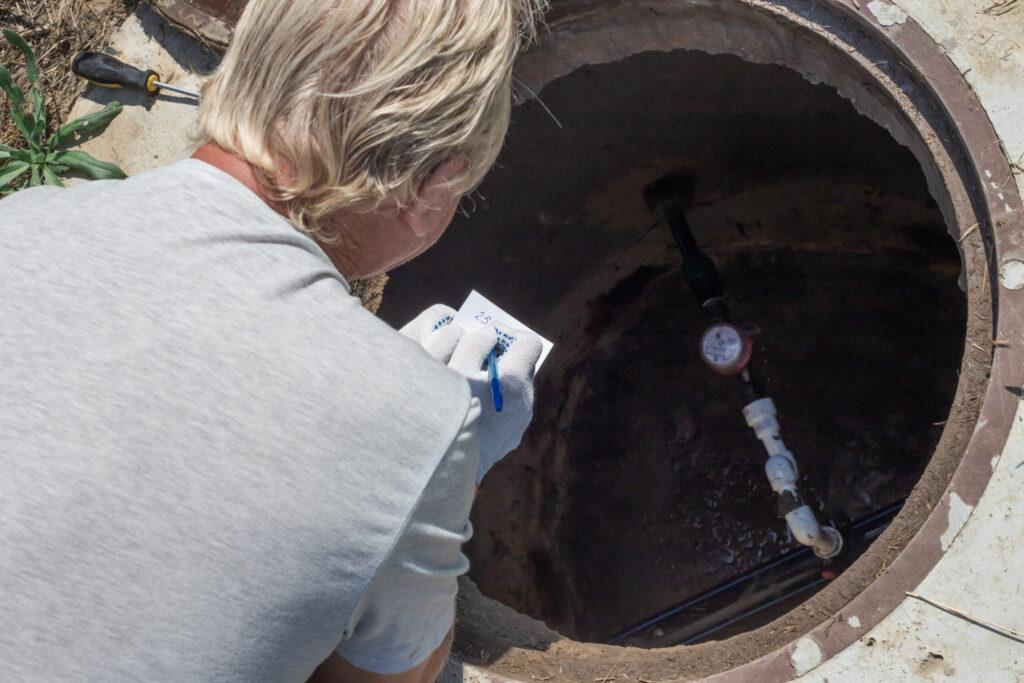
Understanding: Can You Sell a House With a Bad Septic System? If you’re asking, ” Can you sell a house with a bad septic system, the short answer is yes, but there are some important details you need to understand first. Many homeowners across Massachusetts find themselves in this exact situation, especially with older properties or homes in rural areas. A failing septic system can feel like a deal breaker, but it does not have to stop you from selling. The key is knowing your options, understanding legal requirements, and choosing the right selling strategy. At Boston Investors, homeowners regularly sell properties in less-than-perfect condition, including those with major system issues. Selling as is is often the fastest and least stressful path forward. What Does a Bad Septic System Mean? Before diving deeper into whether you can sell a house with a bad septic system, it is important to define what bad actually means. A septic system may be considered faulty if it has failed an inspection, especially under Massachusetts Title 5 regulations, or if it shows clear signs of problems like slow drainage, sewage backups, strong odors, pooling water in the yard, or structural damage to the tank or drain field. In Massachusetts, septic systems are strictly regulated, and if your system fails inspection, that information must be disclosed during the sale. Understanding this upfront helps you avoid surprises and prepares you for the next steps in the selling process. Can You Sell a House With a Bad Septic System Legally? Yes, you can legally sell a house with a bad septic system. However, disclosure is required. Sellers must inform potential buyers about any known issues with the septic system, including failed inspections or ongoing problems. Providing accurate information protects you from legal complications and builds trust with buyers. While it might seem like disclosure will scare buyers away, many buyers, especially investors, are willing to purchase properties with known issues as long as they are clearly informed. How a Bad Septic System Affects Your Home Sale When evaluating whether you can sell a house with a bad septic system, it is important to understand how it impacts your sale. A failing septic system often lowers your home’s market value because buyers will factor in the cost of repairs or replacement, which can easily reach tens of thousands of dollars. In addition, your pool of buyers may shrink. Traditional buyers who rely on financing often face challenges because lenders may not approve loans for homes with major system failures. This can lead to deals falling through during inspection or underwriting. As a result, homes with septic issues may take longer to sell if listed on the open market. Your Options When Selling a House With Septic Problems If you are wondering, can you sell a house with a bad septic system, you have a few different paths available. One option is to repair or replace the septic system before listing the home. This can improve your home’s value and make it more appealing to traditional buyers, but it requires a significant upfront investment of both time and money. Another option is to sell the home as is on the market. In this case, you disclose the septic issue and allow buyers to make offers accordingly. However, this often leads to price negotiations, inspection contingencies, and potential delays. A third option, and often the simplest, is to sell directly to a cash buyer. Cash buyers typically purchase homes in any condition, including those with major septic problems. They do not rely on bank financing, which removes one of the biggest obstacles in selling a home with system issues. Boston Investors specializes in buying homes as is, eliminating the need for repairs, showings, or agent fees. Why Selling As Is Is Often the Best Choice For many homeowners, asking, “Can you sell a house with a bad septic system, selling as is turns out to be the best option. Instead of spending thousands of dollars on repairs, you can sell the property in its current condition and move on quickly. Selling as is allows you to avoid the stress of inspections, contractor delays, and unexpected costs. It also speeds up the process significantly. With Boston Investors, homeowners can skip repairs entirely, receive a fair offer, and close on their timeline without worrying about cleaning or preparing the property. How the Process Works With a Cash Buyer When you choose to work with a cash buyer, the process is designed to be simple and straightforward. It typically begins with a quick conversation where you provide basic details about your property. There is no need to clean, repair, or prepare the home in any way. After reviewing your information, the buyer will present a cash offer, often within 24 hours. This offer is based on the current condition of the property, including any septic issues. If you decide to move forward, you can choose a closing date that fits your schedule. Many transactions close in as little as one to two weeks, giving you a fast and predictable path forward. Situations Where Selling With a Bad Septic System Makes Sense Many people searching for ways to sell a house with a bad septic system are dealing with more than just property issues. Life circumstances often play a major role. Situations like foreclosure, inherited properties, divorce, financial hardship, or owning a vacant home can make a fast sale more important than maximizing price. In these cases, selling as is becomes even more appealing. Boston Investors works with homeowners facing all types of challenges, offering flexible timelines and straightforward solutions that remove the usual stress of selling. Tips to Sell Faster With Septic Issues If your goal is to sell quickly, being transparent about the septic system is essential. Clear communication helps avoid delays and builds confidence with buyers. Pricing the home realistically is also important, especially if you are listing it on the market, as buyers will factor in repair costs. Positioning the
Handling the Aftermath of a Condemned Home in Massachusetts

A condemned house in Massachusetts has not been taken from you. Here is what condemnation actually means, how it happens, and how these properties sell.
Taxes When Selling Your Home in Boston – Everything You Need to Know

Selling a home in Boston can be a major financial decision, and one of the most common concerns homeowners have is taxes. Many people planning to sell my house in Boston want to understand how much of their profit they will actually keep after the sale. The truth is that taxes when selling a home can vary depending on your situation, but with the right information, many homeowners can minimize or even eliminate their tax obligations. Boston’s real estate market has seen strong appreciation over the years, meaning many homeowners have gained significant equity. If you’re preparing to sell my house in Boston, understanding capital gains taxes, state tax rules, and potential exemptions can help you plan ahead and avoid surprises at closing. The good news is that the IRS provides valuable tax exclusions that often allow homeowners to keep a large portion of their profit when they sell my house Boston. Understanding Capital Gains When You Sell My House Boston The primary tax concern when you sell your house in Boston is capital gains tax. Capital gains tax applies to the profit made when you sell an asset, including real estate. The gain is calculated by subtracting your home’s adjusted cost basis from the final selling price. Your adjusted cost basis generally includes the price you originally paid for the property, along with certain closing costs and improvements made to the home over time. For example, if you purchased a property years ago for $400,000 and later sell my house Boston for $650,000, the difference between those numbers represents your capital gain. However, that gain is not always fully taxable. Federal tax rules offer exclusions that can significantly reduce or eliminate the amount owed when you sell my house Boston, especially if the home has been your primary residence. Boston homeowners often benefit from these rules because property values have risen steadily in many neighborhoods. As a result, people who decide to sell my house in Boston frequently discover that they qualify for generous tax exemptions that protect most or all of their profit. The Home Sale Tax Exclusion One of the biggest advantages for homeowners planning to sell my house in Boston is the federal home sale tax exclusion. This rule allows many homeowners to exclude a large portion of their profit from capital gains taxes if they meet certain requirements. The IRS allows individuals to exclude up to $250,000 in profit from the sale of their home, while married couples filing jointly may exclude up to $500,000. To qualify for this exclusion when you sell my house Boston, you generally must have owned the home for at least two of the past five years and lived in it as your primary residence for at least two of those five years. If these conditions are met, most homeowners will not owe federal capital gains tax when they sell my house Boston, even if their property has increased significantly in value. This exclusion is one of the reasons many homeowners feel comfortable selling their property when the market is strong. For example, if a homeowner purchased a property for $350,000 and later decides to sell my house Boston for $600,000, the $250,000 profit could potentially be completely tax-free if they meet the eligibility requirements. Situations Where Taxes May Apply Although many homeowners avoid taxes when they sell my house Boston, there are situations where tax obligations may still apply. One example occurs when the property being sold is not a primary residence but instead an investment or rental property. In these cases, the capital gains exclusion usually does not apply, meaning the profit may be subject to both federal and state taxes. Another situation occurs when homeowners sell before meeting the two-year ownership or residency requirements. If you purchased a home recently and choose to sell my house Boston before living there for two full years, you may not qualify for the full tax exclusion. However, partial exclusions may still apply in certain situations such as job relocation, health issues, or other unexpected life events. In addition, homeowners who have experienced extremely high property appreciation may exceed the maximum exclusion amount. If your profit is larger than the allowed exemption when you sell my house Boston, the portion above the limit may be taxed as capital gains. This scenario is less common but can happen in areas where property values have increased rapidly. Massachusetts Taxes When You Sell My House Boston In addition to federal tax rules, homeowners must also consider Massachusetts state taxes when they sell my house Boston. Massachusetts generally taxes long-term capital gains at the state income tax rate, which is currently around five percent. This means that if any portion of your profit remains taxable after the federal exclusion, it may also be subject to Massachusetts taxes. However, because the federal exclusion often removes a large portion of the taxable gain, many homeowners who sell my house Boston end up paying little or no state tax as well. Proper planning and record keeping can help ensure that you take full advantage of available deductions and exemptions. Boston’s real estate market has remained competitive, and many sellers benefit from strong demand when they sell my house Boston. Understanding how state taxes interact with federal exclusions can help you estimate your net proceeds before listing your home or accepting an offer. Home Improvements and Tax Savings Home improvements can also play an important role in reducing taxes when you sell my house Boston. Certain improvements increase your home’s cost basis, which reduces the overall gain from the sale. Major renovations such as kitchen upgrades, roof replacements, or structural additions can all contribute to a higher adjusted basis. For instance, if you purchased a home for $400,000 and invested $60,000 in renovations over the years, your adjusted basis becomes $460,000. If you later sell my house Boston for $700,000, your taxable gain would be calculated using the higher adjusted basis, resulting in a smaller profit subject to
I Am A Hoarder Where Do I Start

Selling a hoarder house in Massachusetts starts earlier than the cleanup. Here is what the law requires, what help exists, and how these properties sell.
Who Is Responsible For Water Damage In A Condo Massachusetts?

Water damage in a condo is not allocated by Massachusetts statute. Your master deed decides it, and an unpaid repair bill can become a lien on your unit.
Can a Nursing Home Take Your House in Massachusetts?

Can a nursing home take your house in Massachusetts? No. What people mean is MassHealth estate recovery, and those rules changed a great deal in 2024.
Can A Cesspool Pass Title 5 In Massachusetts?

Buying or selling a home with a cesspool in Massachusetts can feel overwhelming, especially when Title 5 regulations come into play. The rules are strict, and many homeowners worry about whether their system will stand up to inspection. A functioning cesspool cannot pass a Title 5 inspection in Massachusetts. Cesspools are not permitted for new construction and may only remain in use under limited conditions. In most inspections tied to a sale or transfer, cesspools lead to a conditional pass or a failure, with an upgrade required within two years. Can A Cesspool Pass Title 5 in Massachusetts? A Quick Overview No, a functioning cesspool cannot fully pass a Title 5 inspection in Massachusetts. Cesspools are banned for new construction and only remain in use under limited conditions, often with local board of health restrictions. During a property sale or transfer, inspections almost always result in a conditional pass or failure, which triggers the need for an upgrade to a compliant septic system, usually within two years. Because cesspools are outdated and pose risks to groundwater, state and local rules continue to push for their replacement. Homeowners and buyers should plan for this reality to avoid costly surprises and ensure smooth property transactions. Title 5 Basics for Homeowners and Buyers Title 5 is the section of Massachusetts state law that regulates septic systems and cesspools. Its goal is to protect water supplies, wetlands, and public health. The Massachusetts DEP oversees the regulations, but local boards of health carry out enforcement. Each town may also adopt stricter rules than the state minimum. This dual structure means a homeowner must not only follow state guidelines but also confirm what their town requires. For example, one town may allow a functioning cesspool to pass if it meets siting standards, while another may require replacement at the time of property transfer. When It Is Required The most common trigger for a Title 5 inspection is a home sale. The law requires the system to be inspected before or within two years of the sale date. Inspections are also needed for property refinances, condominium conversions, or when adding bedrooms to a home. These checkpoints ensure systems are reviewed at critical times, reducing the risk of hidden failures that could impact the environment or cause costly surprises. What the Inspection Evaluates An inspector looks for evidence of system failure, proper separation from groundwater and wells, and whether the cesspool or septic system is protecting public health. The goal is not to guarantee future performance but to judge the system’s condition at the moment of inspection. A passing Title 5 report means the system meets minimum standards today. It does not ensure the system will remain compliant forever. Seasonal conditions, age, and usage can change outcomes over time. What Report Reflects Homeowners and buyers should understand the limits of the report. It captures a snapshot, not a prediction. A system that passes today may fail in a few years if groundwater levels shift, usage increases, or the structure deteriorates. This is why banks and buyers often request recent inspections rather than relying on older reports. It helps ensure decisions reflect the most current conditions. Inspectors Follow DEP Forms and Guidance Licensed inspectors use standardized forms approved by the DEP. They check water levels, system location, soil conditions, and evidence of breakout or hydraulic failure. This structured process ensures consistency across the state. The DEP also provides detailed manuals and training to inspectors. These resources guide professionals in applying rules fairly while still leaving room for local boards of health to require upgrades when risks are higher. Cesspool VS Septic System A cesspool is a simple pit lined with stone or concrete that collects wastewater. Solids settle at the bottom while liquids filter into the surrounding soil. There is no separate tank or leach field. Cesspools lack the treatment steps of a septic system. They release untreated or partially treated waste into the soil, which can contaminate groundwater and surface water. This is why Massachusetts views cesspools as outdated and risky. A modern septic system includes a tank that separates solids from liquids, followed by a leach field that distributes effluent for further treatment in soil. This design provides stronger protection for water quality and is more durable over time. As environmental concerns grow, especially in nitrogen-sensitive areas, the state encourages or requires upgrades to modern septic systems. For homeowners, this means a cesspool faces more scrutiny during a Title 5 inspection. Title 5 Outcomes A Title 5 inspection can result in three possible outcomes. Each has different implications for homeowners and buyers. Pass A pass means the system shows no signs of hydraulic failure, meets distance requirements from wells and water, and poses no threat to health or the environment. This allows the property transfer or refinance to move forward without mandatory upgrades. Although a passing report is good news, it does not mean the cesspool is safe forever. Owners should still monitor system performance and plan for eventual replacement. Conditional Pass A conditional pass occurs when minor issues exist, but the system can still function if corrected. Examples include replacing a broken cover or sealing cracks in a tank. The homeowner must complete these repairs within a set timeframe to maintain compliance. Conditional passes are less common for cesspools, since their design leaves little room for small fixes. Fail A fail means the system is not protecting health or the environment. Failures include evidence of sewage breakout, high groundwater levels, or systems located too close to wells or water. When a cesspool fails, the owner must design and install an approved upgrade, usually a modern septic system. This process can be costly and time-consuming, but it is required to bring the property into compliance. When a Cesspool Can Pass Cesspools rarely pass Title 5, but there are specific conditions where they can. When a Cesspool Can Fail Many cesspools do not meet today’s standards. Local Rule Check Each Massachusetts town can impose stricter rules than